NOTE: This advertorial is ONLY available in selected countries and geographies [geoip-content country=”DE, ES , IT, GB, NL, GR, CH, SE, PL, BE, AT, HR, DK, BY, CZ, IE, UA, NO, FI, RO, IS, HU, MT, LU, SI, RS, CY, FR, AL, LT, PT, MD, MC, SK, EE, LI, AD, ME, SM, LV, BA, FO, IM, JE, AX, RU, BH, EG, IR, IQ, IL, JO, LB, OM, PS, QA, SA, SY, TR, AE, YE, NG, ET, CD, TZ, ZA, KE, UG, DZ, SD, MA, AO, MZ, GH, MG, CM, CI, NE, BF, ML, MW, ZM, SN, TD, SO, ZW, GN, RW, BJ, BI, TN, SS, TG, SL, LY, CG, LR, CF, MR, ER, NA, GM, BW, GA, LS, GW, MU, SZ, DJ, KM, CV, ST, SC, RE, EH, YT, SH, GB”]

This advertorial, sponsored by BD, is intended for readers in the EMEA region only.
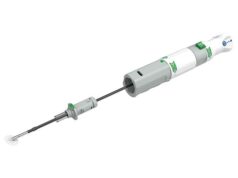
In this case report, Panagiotis M Kitrou (Patras University Hospital, Patras, Greece) proposes vessel preparation with the low-pressure Ultrascore™ focused force percutaneous transluminal angioplasty (PTA) balloon (BD) followed by angioplasty with the low-dose Lutonix™ 035 drug-coated balloon (DCB) PTA catheter (BD) as a way of addressing the issues of vascular wall trauma and restenosis associated with high-pressure balloon angioplasty and still successfully treating a dysfunctional vascular access.
[/geoip-content]