From imaging to impact: why lesion assessment matters for DCB outcomes

45


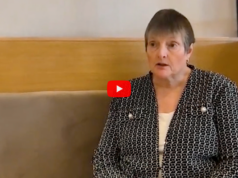
“I think the data that we have for the IN.PACT AV Access study show that there is a benefit for DCBs [drug-coated balloons] in terms of reducing the number of interventions and also the primary patency rate,” Kate Steiner (East and North Hertfordshire NHS Trust, Stevenage, UK) told Vascular News at the 2025 Cardiovascular and Interventional Radiological Society of Europe (CIRSE) annual congress (13–17 September, Barcelona, Spain). She noted that now “we do have good evidence for the use of paclitaxel therapy in AV [arteriovenous] access.”

In a wide-ranging discussion, Steiner highlighted the importance of early intervention and lesion-type assessment to guide optimal AV fistula (AVF) treatment. She explained that she and her team have recently completed the prospective, observational AV SONOPATH study on ultrasound evaluation in AV access lesions. The findings confirmed the accuracy of ultrasound in measuring and establishing the presence or absence of intimal hyperplasia for optimal AVF care.

Steiner also highlighted the need to build an algorithm for treatment based on lesion type and other patient factors, ensuring “the right treatment for the right patient at the right time with the right intervention”.

Finally, Steiner commented on the benefits that DCBs bring to patients’ quality of life, pointing to data from the IN.PACT AV Access study showing reduced reintervention rates that “really make a difference to patients”.

This video is sponsored by Medtronic.


LEAVE A REPLY

Please enter your comment!
Please enter your name here